logo
منزل أخبار

أخبار الشركة عن what is the advantage for Smart IoT Sensors in Modular Cleanrooms

شهادة
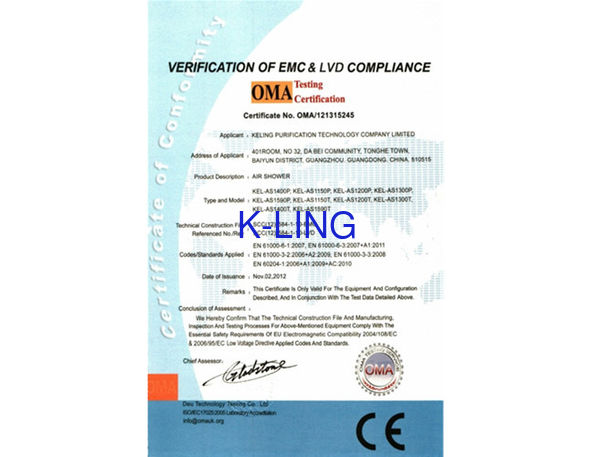
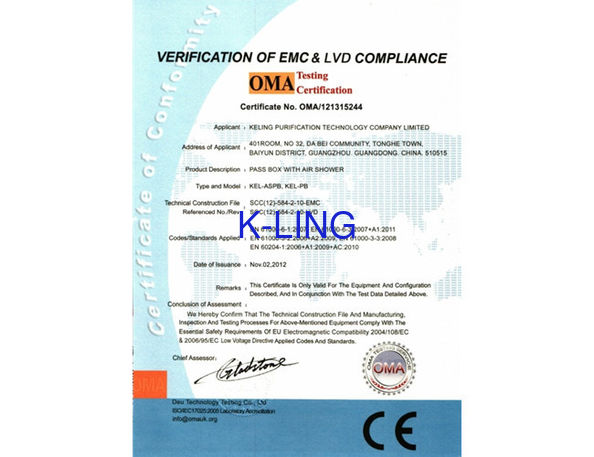
الصين KeLing Purification Technology Company الشهادات
زبون مراجعة
قامت Keling بتزويدنا بالمنتجات التالية في 25 أكتوبر 2017 مقابل PO NO.M170807 ؛ تعمل فلاتر الهواء الموردة بشكل مرضٍ منذ التثبيت.نحن راضون عن منتجاتها.

—— سيمبار فارما

بما أنّ نحن نتمّ coopertae مع هم, يقدّم هم دائما نوعية ويحافظ التسليم في الوقت المحدد إلى نا, نحن يتمّ appreicated لدعمهم لطيف!

—— Nasir

هذا لإثبات أننا اشترينا نفق دش هواء من النوع U ، دش هواء وفلتر HEPA ، فلتر هواء ثانوي ، فلتر مثالي لمشروعنا من KeLing Purification Technology Co. Ltd ، 3C01 Tian Feng Commerce Square ، Mid Building ، No. 133 ، Baiyun AV ، منطقة باييون ، قوانغتشو ، قوانغدونغ ، الصين ضد العقد رقم: 2014/4119005942 في 22 أكتوبر 201

—— IATEC ، الأرجنتين

منتوج وصل faster من يتوقّع وأرسل هم شيء خاصّ in addition to ماذا أنا أمرّت. نيس الناس وخدمة سريع!

—— محمّد سعد

ابن دردش الآن
الشركة أخبار
what is the advantage for Smart IoT Sensors in Modular Cleanrooms
آخر أخبار الشركة what is the advantage for Smart IoT Sensors in Modular Cleanrooms
what is the advantage for Smart IoT Sensors in Modular Cleanrooms
Enhanced Security and Traceability

IoT sensors contribute to comprehensive contamination control strategies through enhanced traceability and access control. Radio-frequency identification (RFID) sensors track personnel and material movements within cleanrooms, generating detailed audit trails that simplify regulatory compliance. These sensors can be integrated with modular cleanroom doors to enforce access restrictions, ensuring only authorized personnel enter critical zones.

For industries like aerospace, vibration sensors monitor equipment performance in cleanroom environments, detecting anomalies that could indicate potential failure or particle generation risks. By combining sensor data with predictive analytics algorithms, maintenance teams can address issues before they impact production, reducing unplanned downtime by up to 40%.

Data-Driven Continuous Improvement

The wealth of data generated by IoT sensors enables data-driven continuous improvement programs. Edge computing gateways process sensor data locally, reducing latency and ensuring real-time response, while cloud-based analytics platforms provide long-term trend analysis. By correlating environmental data with process outcomes, manufacturers can identify optimization opportunities, such as adjusting cleaning protocols to reduce contamination events or modifying airflow patterns to improve particle removal efficiency.

This data-driven approach supports compliance with regulatory requirements for process validation and continuous improvement, as outlined in FDA 21 CFR Part 11 and EU GMP Annex 11. For example, pharmaceutical manufacturers can use sensor data to demonstrate consistent environmental control across production batches, accelerating regulatory approval processes.

حانة وقت : 2026-04-24 15:56:07 >> أخبار قائمة ميلان إلى جانب
تفاصيل الاتصال
KeLing Purification Technology Company

اتصل شخص: Mrs. Zhao

الهاتف :: 86 20 13378693703

الفاكس: 86-20-31213735

إرسال استفسارك مباشرة لنا (0 / 3000)